Updated February 2026
How to Charter a Private Jet: Your Complete Step-by-Step Guide
Discover the insider secrets, real costs, and expert tips that frequent flyers use to make private travel work for them. From aircraft selection to safety ratings, we cover everything.
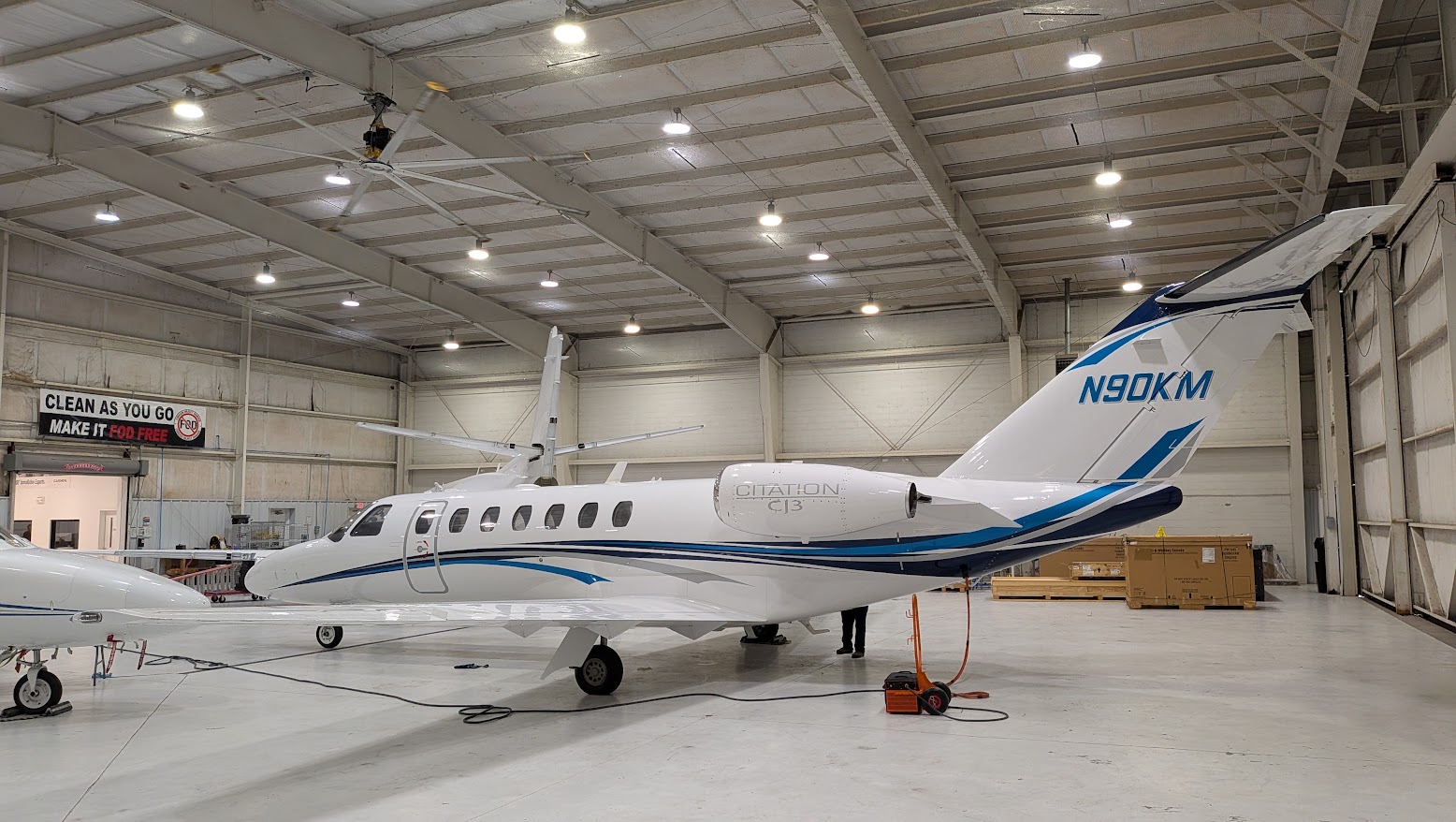
How to charter a private jet is one of the most searched questions in private aviation and for good reason. The process is simpler than most people expect, but there are critical decisions you need to make along the way that can mean the difference between a seamless, memorable experience and an expensive headache. This guide covers everything: the regulations behind the industry, the aircraft types, the real costs, the safety ratings, and the insider tricks that frequent flyers use to make private travel work for them.
Whether you are a first-time charter passenger or a business owner looking to understand your options, you are in the right place.
By the Numbers: The global private jet charter market was valued at approximately $28 billion in 2024 and is projected to grow to over $45 billion by 2030. North America alone accounts for nearly 82% of global charter revenue. The industry has grown 32.1% compared to pre-pandemic 2019 levels proving that private aviation is no longer reserved for a tiny elite. (Mordor Intelligence)
If you are already curious about what a private jet actually is the different aircraft types, how business aviation works, and what separates a light jet from a heavy jet check out our companion article: What is a Private Jet? Your Complete Guide to Business Aviation. That article gives you the foundational knowledge you will want before diving into the charter process below.
1
Understanding the Basics First
Chartering a private jet is, at its core, the act of renting an entire aircraft exclusively for your use. You choose the departure time, the destination, and the jet. You are not buying a seat on someone else’s schedule. You are setting the schedule yourself. That is the fundamental difference between a charter flight and every other form of commercial travel.
A charter is not the same as fractional ownership (which is more like a timeshare) or a jet card (a prepaid block of hours). A pure charter is an on-demand rental, booked trip by trip, giving you maximum flexibility without any ongoing financial commitment.
The process, simplified, looks like this:
1
1
Determine Your Travel Needs
Identify passenger count, destination, and schedule flexibility
2
2
Choose Aircraft Category
Select the right jet size based on range and passenger requirements
3
3
Select Operator or Broker
Research and choose between direct operators or charter brokers
4
4
Request and Compare Quotes
Get detailed pricing from multiple providers
5
5
Review and Confirm
Sign contract and finalize your booking
6
6
Enjoy the FBO Experience
Arrive at private terminal and depart on your schedule
2
1
Step 1: Know Your Travel Needs Before You Make Any Calls
The single biggest mistake first-time charter clients make is contacting an operator without a clear picture of what they actually need. Before you request a quote, answer these questions honestly:
How many people are flying?
Passenger count is the most direct driver of which aircraft category makes sense. A solo traveler or couple has entirely different options than a group of ten traveling together. Keep in mind that most light jets seat 4 to 7 passengers, midsize jets seat 7 to 9, and heavy jets typically seat 10 or more. Getting this wrong upfront could mean you are quoted the wrong aircraft entirely.
How far are you going?
Distance determines range requirements, which directly impacts the aircraft type. A light jet works beautifully for a 1,000-mile regional hop but cannot make a coast-to-coast trip nonstop. A midsize jet opens up cross-country travel, while heavy and ultra-long-range jets are what you want for international or transcontinental missions.
What is the nature of your trip?
A single executive flying to a board meeting has different priorities than a family of six heading to a vacation destination. Knowing whether you need productivity-focused cabin space, lounge-style comfort, a stand-up cabin, or a full-length bed on an overnight international flight helps you communicate clearly with your charter provider.
How much luggage are you bringing?
Private jets have baggage limits just like commercial airlines, though the rules are different. Light jets in particular have limited cargo space, so if you are traveling with bulky gear like golf clubs, ski equipment, or substantial luggage, this needs to be discussed upfront.
How flexible is your schedule?
Flexibility is money in the charter world. If you can travel at off-peak times, such as midweek rather than Friday or Monday or outside holiday rush periods, you will find better availability and sometimes better pricing. Flexibility also opens the door to empty leg flights, which we cover in detail later in this guide.
3
2
Step 2: Understand the Aircraft Categories
Not all private jets are created equal. The industry broadly divides aircraft into several size categories, each with a distinct purpose, price range, and ideal use case. Here is a practical breakdown:
| Category | Passengers | Range | Hourly Rate | Best For |
|---|---|---|---|---|
| Very Light Jet (VLJ) | 3 to 4 | Up to 1,500 miles | $2,000 to $3,500 | Short regional hops, small groups |
| Light Jet | 4 to 7 | Up to 2,000 miles | $4,000 to $6,000 | Regional and short domestic trips |
| Midsize Jet | 7 to 9 | 2,500 to 3,500 miles | $6,000 to $8,000 | Coast-to-coast domestic travel |
| Super Midsize Jet | 8 to 10 | Up to 4,500 miles | $8,000 to $12,000 | Longer domestic, short international |
| Heavy Jet | 10 to 16 | 4,000 to 6,000 miles | $10,000 to $15,000 | Transcontinental, large groups |
| Ultra-Long-Range Jet | 10 to 19 | 6,000+ miles nonstop | $12,000 to $20,000+ | International, nonstop global travel |
| VIP Airliner | 20+ | 3,000 to 6,000 miles | $18,000 to $50,000+ | Large groups, corporate delegations |
At SkySouth, our fleet includes the Citation CJ1 and the Citation CJ3 two of the most reliable light jets in business aviation. The CJ1 is ideal for quick regional trips with a small group, while the CJ3 offers greater range and a more spacious cabin for slightly longer missions in and around North Carolina and the Southeast. You can view our full fleet here.
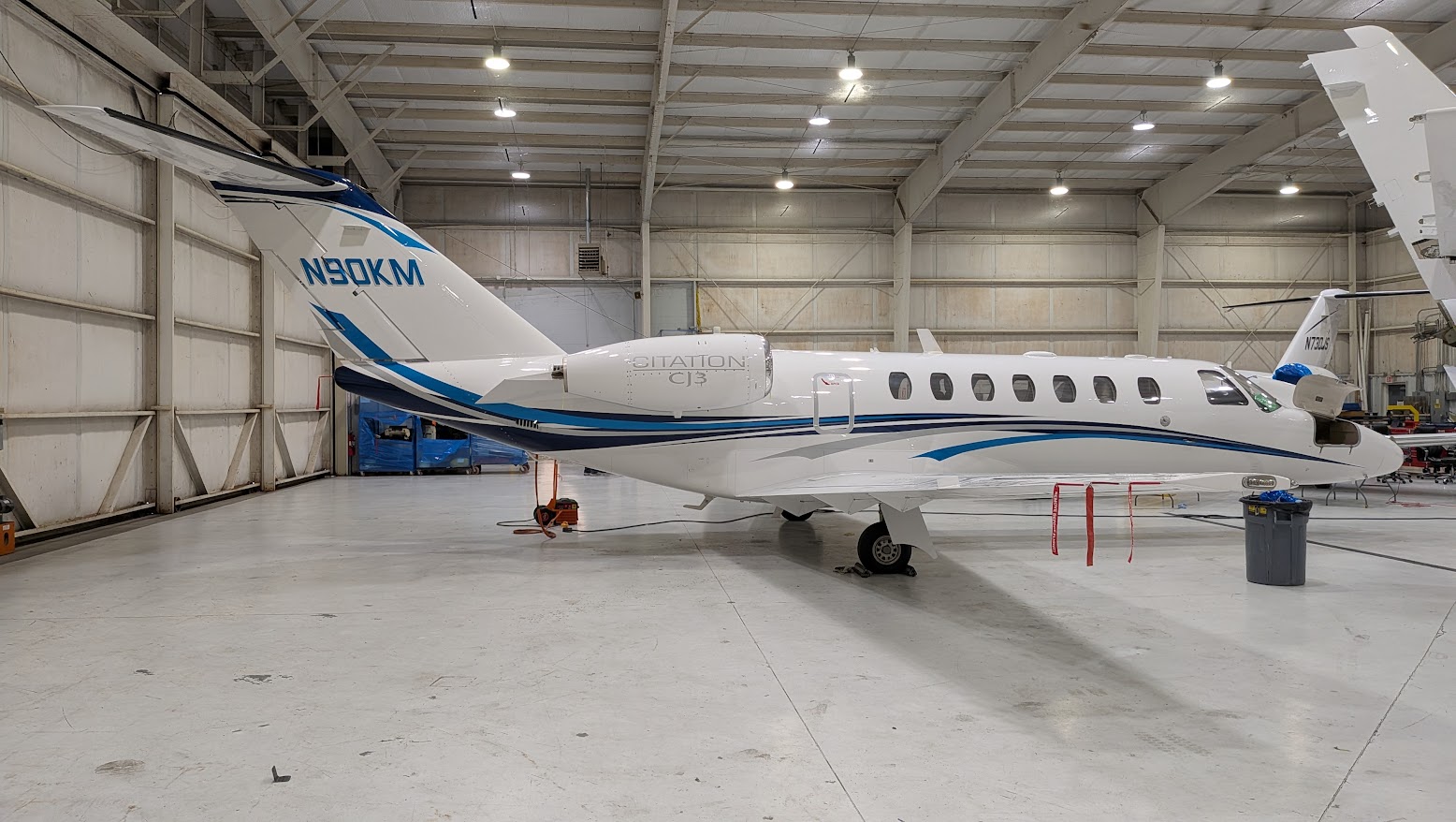
Pro tip: Light jets have an interesting economic sweet spot for groups. When you divide the charter cost of a light jet among four to six passengers, the per-person cost often gets surprisingly close to a business class commercial ticket without the airport lines, connection stress, or fixed schedule.
4
3
Step 3: The FAA Regulations That Protect You as a Passenger
This is a section many charter guides skip, but it is genuinely important. When you charter a private jet in the United States, the flight is governed by specific federal regulations and understanding them helps you make better decisions about which operator to trust.
The Federal Aviation Administration (FAA) regulates all commercial charter operations under Title 14 of the Code of Federal Regulations, Part 135 commonly called FAR Part 135. This is the regulatory certification that every charter operator who legally sells seats to the public must hold.
What FAR Part 135 actually requires
Part 135 sets significantly stricter standards than Part 91, which governs privately owned aircraft flown for personal use. Under Part 135, operators must comply with:
- Rigorous pilot training, qualification minimums, and duty-time limitations
- Mandatory drug and alcohol testing programs
- Regular aircraft maintenance inspections exceeding private ownership standards
- Pilot background checks
- Flight-following technology (so air traffic controllers can track your aircraft at all times)
- Emergency response planning
- An FAA-approved hazardous materials program
There are over 2,000 active Part 135 operators in the United States. Before you book with any operator, you can ask them directly for their Part 135 certificate number, or verify their status through the FAA’s public records.
Safety in perspective: In the first nine months of 2024, U.S. charter operators in turbine business jet passenger operations recorded just one fatal accident. Fractional operators maintained a decades-long record without a single fatality. Private aviation, when properly regulated and operated, is extremely safe.
5
4
Step 4: Choose Between a Charter Broker and a Direct Operator
Once you know what you need, you have two main ways to book: through a charter broker or directly through a charter operator.
🗂️ Charter Brokers
A charter broker acts as an intermediary similar to a travel agent for private aviation. Brokers have relationships with dozens or hundreds of operators and can compare aircraft, availability, and pricing across a wide network on your behalf. They charge a commission, but good brokers add real value by sourcing the right aircraft, handling trip logistics, and vetting the operator’s safety credentials before you ever step on board.
✈️ Direct Operators
A direct operator both owns or manages the aircraft and holds the Part 135 certificate to fly it commercially. Booking direct can sometimes mean fewer intermediaries and more transparent communication. You deal directly with the people who actually run the flight. SkySouth Aviation is a direct operator serving the North Carolina region. When you call us, you are talking to the team that manages and flies the aircraft.
Neither path is inherently better. The right choice depends on whether you need one specific route from one specific operator (book direct) or you want someone to shop the entire market for the best fit (use a broker).
6
5
Step 5: Safety Ratings and the Three Certifications You Should Know
The FAA sets minimum standards, but the private aviation industry has developed voluntary third-party safety audit programs that go significantly further. These programs are how sophisticated charter clients separate good operators from great ones.
🛡️
ARGUS International
Founded in 1995, ARGUS International is the most widely recognized safety rating system in U.S. private aviation. The ARGUS rating system has three tiers: Gold, Gold Plus, and Platinum. Only about 5% of U.S. operators have historically held Platinum status.
✓
Wyvern Consulting
Wyvern was the first aircraft safety auditing firm in the United States. Their highest designation, Wyvern Wingman, is considered the equivalent of ARGUS Platinum. Many Fortune 500 companies specifically require Wyvern Wingman certification.
🌍
IS-BAO
IS-BAO is administered by the International Business Aviation Council (IBAC) and is the primary certification used for international flights. Benchmarks are set by the International Civil Aviation Organization (ICAO) and are accepted globally.
What to do with this information: When evaluating an operator, ask directly: “What are your ARGUS, Wyvern, and IS-BAO certifications?” Any operator worth flying with will have documented answers. If they hedge or cannot provide documentation, that is a signal to look elsewhere.
7
6
Step 6: Request and Compare Quotes
Getting a charter quote is not like buying an airline ticket. There is no published fare. Every trip is priced based on a specific combination of variables, and knowing what drives cost makes you a smarter buyer.
What actually determines the price
The base price for a private charter is almost always calculated by the hour the total billable flight time multiplied by the aircraft’s hourly rate. But several additional factors layer on top of that:
- Aircraft type: The biggest driver. A light jet costs a fraction of a heavy jet per hour.
- Repositioning (ferry) fees: If the aircraft is not based at your departure airport, the operator charges for the time it takes to position the plane. This is one of the most commonly misunderstood costs in charter pricing.
- Landing and handling fees: Fixed-base operators (FBOs) charge landing and ramp handling fees. These range from $100 to $500 per flight at most airports but can be much higher at premium private terminals.
- Fuel surcharges: Applied during periods of high fuel price volatility. Starts around $300/hour on many trips.
- Federal Excise Tax: 7.5% on domestic U.S. flights, plus $4.50 per passenger per segment.
- Crew overnight fees (per diem): If crew members are away from home overnight, a per diem of $200 to $600 per crew member is typically added.
- Catering: Standard snacks may be included. Custom catering for a group lunch can run $600 to $2,000 per leg.
- De-icing: Seasonal, ranging from $1,500 to $15,000 depending on aircraft size and conditions.
When you request a quote, ask whether it is an “all-in” quote with anticipated fees itemized, or whether additional costs may be added later. Transparency here is a sign of a trustworthy operator.
Typical price ranges by trip type
A two-hour regional flight on a light jet might start around $8,000 to $15,000. A round-trip cross-country flight on a midsize jet typically runs $30,000 to $50,000. Long-haul international heavy jet trips regularly exceed $100,000. These are rough benchmarks actual pricing varies considerably based on all the factors above.
The per-person math: A group of six flying from Charlotte to New York on a light jet at $12,000 total pays $2,000 per person comparable to or less than a last-minute first-class commercial ticket, with no TSA lines, no connecting flights, and departure on your schedule.
8
7
Step 7: The Insider's Secret on Empty Leg Flights
This is the section that changes how a lot of people think about private aviation. Empty leg flights also called repositioning flights or deadheads are one of the best-kept cost-saving strategies in the industry.
Here is how they work: when an operator flies a charter from Point A to Point B, the aircraft often needs to return to its home base or travel to its next pickup location without any passengers. Rather than fly completely empty and absorb the full operating cost, operators sell these “empty leg” flights at steep discounts.
How steep? Empty leg flights typically run 50% to 75% less than a standard charter on the same aircraft and in some cases as much as 90% off when operators are motivated to offset costs rather than fly completely empty. Prices for short domestic empty leg routes can start around $2,500 to $5,000 for the entire aircraft.
The trade-off
Empty legs come with meaningful constraints. The route, departure airport, destination, and timing are fixed based on the original charter passenger’s plans. If that primary passenger changes their plans, the empty leg can be cancelled, sometimes with very little notice. This makes empty legs ideal for travelers who have genuine flexibility in their schedule, not for time-sensitive trips where you cannot afford a last-minute change.
The most common empty leg routes in the U.S.
Empty legs cluster around the highest-traffic private aviation corridors: New York to South Florida (and back), New York to Los Angeles, South Florida to Los Angeles, and routes connecting Chicago, Dallas, Phoenix, and Cleveland. International empty legs are less common but do exist on routes from the U.S. East Coast to Western Europe.
Timing tip: To maximize your chances of securing an empty leg and minimizing cancellation risk, book within one week of departure and ideally within 24 to 48 hours. The closer to departure, the more stable the leg is, because the original charter passenger is less likely to change plans at the last minute.
9
8
Step 8: The FBO Experience and What Happens When You Arrive
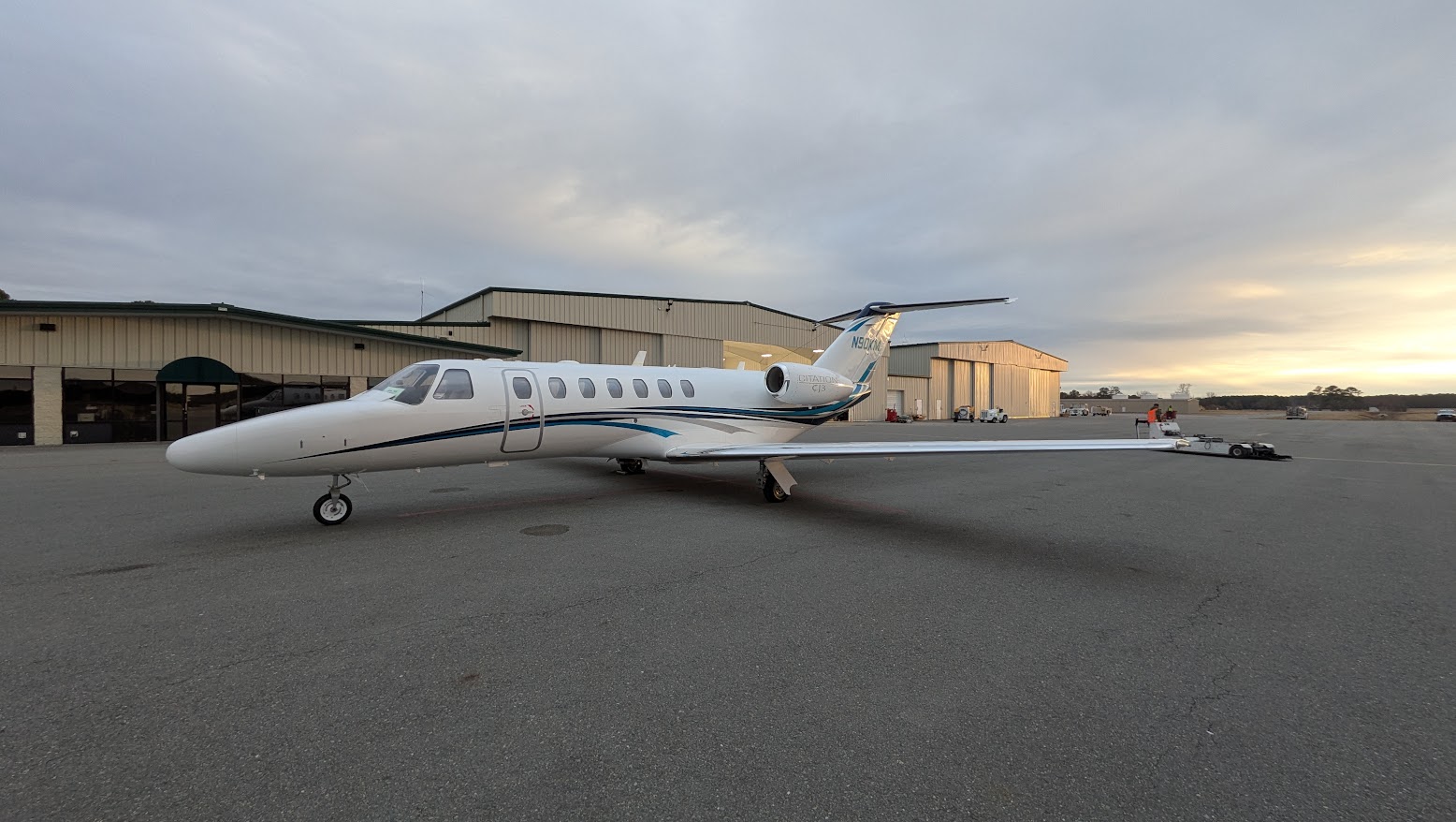
One of the great satisfactions of chartering a private jet is the departure experience itself specifically, what you skip compared to a commercial airport.
Private jet passengers depart from a Fixed-Base Operator, or FBO, which is a private terminal separate from the commercial airline concourses. At most FBOs, you arrive 15 to 30 minutes before your scheduled departure (not two hours early), park close to the building, walk through a comfortable lounge rather than a security gauntlet, and are escorted directly to your aircraft. Some FBOs offer car-side tarmac access, meaning you walk from your vehicle directly onto the plane.
There is no removing your shoes. No full-body scanner. No middle seat. You board when you are ready, and the aircraft waits for you, within the reasonable limits set by your charter agreement.
SkySouth operates out of Burlington-Alamance Regional Airport (BNC) in Burlington, North Carolina, a full-service FBO with easy access from the Triad region. If you are traveling from the Greensboro or Raleigh/Durham metro areas, Burlington is a smart alternative to the larger commercial airports. Our team has also helped clients depart from Greensboro (GSO) and surrounding general aviation airports based on what works best for each trip. Learn more about our FBO services in Burlington and our private travel services.
10
9
Step 9: Reviewing the Contract and Finalizing Your Booking
Once you have settled on an aircraft and operator, you will receive a charter agreement to review before payment. Take this document seriously which governs your rights in case of cancellations, delays, or changes.
Key things to look for in any charter contract:
- Cancellation policy: Most operators impose financial penalties for cancellations within 24 to 72 hours of departure. Know these terms before you sign.
- Aircraft substitution clause: If your contracted aircraft becomes unavailable (mechanical issue, schedule conflict), can the operator substitute a comparable aircraft? Are you notified and given options?
- Force majeure provisions: What happens in case of weather, airspace closure, or other events outside anyone's control?
- Payment terms: Charter operators typically accept wire transfers, credit cards, and sometimes prepaid accounts. Confirm payment timing, as most operators require full payment before or at departure.
- Operational control: The contract should confirm that the Part 135 air carrier, not a broker intermediary, exercises full operational control of your flight. This is a regulatory requirement, and its presence in the contract confirms the operator is operating lawfully.
Special Use Cases: Medical Flights and Specialty Travel
Not every charter is a business trip or leisure vacation. Private aviation plays a critical role in specialized transportation that commercial airlines simply cannot provide. SkySouth offers private jet medical transport services for patients who need to travel to specialized care facilities, who require privacy during a health situation, or who cannot tolerate the delays and uncertainty of commercial airline travel during a medical situation.
The speed, scheduling flexibility, and controlled environment of a private charter make it an exceptional option for medical transport when commercial alternatives are not appropriate. Our Burlington team has experience coordinating with medical teams to ensure these missions go smoothly.
How to Serve the North Carolina Market: SkySouth's Footprint
SkySouth has operated aircraft charter and management services since 2003. We primarily serve the Greensboro, Burlington, Raleigh, Durham, and Chapel Hill markets in North Carolina, with access to the broader Southeast and beyond through our aircraft and regional partnerships.
Flying from North Carolina means access to some incredibly useful private aviation advantages. The region has multiple general aviation airports, including Piedmont Triad International (GSO), Raleigh-Durham International (RDU), Burlington-Alamance Regional (BNC), and dozens of smaller reliever airports that private charter clients can use. Many of these airports are significantly less congested than their commercial counterparts, and several can be accessed by aircraft that commercial airlines cannot serve at all.
If you are based in or near these communities and have been curious about private aviation, I encourage you to explore what a charter might cost for a trip you are already planning. You may be surprised how the numbers compare once you account for the value of your time, the productivity of a private cabin, and the elimination of connecting flights.
You can learn more about charter options specifically for your area here:
Common Questions About Chartering a Private Jet
For domestic U.S. flights, passengers flying charter are required to present government-issued photo ID similar to commercial airlines. For international flights, a valid passport is required. Unlike commercial airports, there is no TSA checkpoint at a private FBO, but FAA regulations and customs requirements still apply for international travel.
Booking 4 to 6 weeks in advance gives you the best selection and often the best pricing. That said, private aviation is designed for flexibility many operators can accommodate bookings within 24 to 48 hours, and some can turn around a same-day charter when aircraft are available. Last-minute bookings come with less negotiating leverage and reduced aircraft selection, but they are absolutely possible.
Most private charter operators accommodate pets, which is one of the genuine advantages over commercial airline travel. Confirm this directly with your operator when booking policies vary, and some aircraft types have more practical pet-friendly cabin configurations than others.
Safety always governs. If weather prevents a safe departure or arrival, your operator will not fly. Most charter contracts address weather-related cancellations separately from standard cancellation policies, typically allowing rebooking without penalty. Discuss the specific terms with your operator before signing.
Safety always governs. If weather prevents a safe departure or arrival, your operator will not fly. Most charter contracts address weather-related cancellations separately from standard cancellation policies, typically allowing rebooking without penalty. Discuss the specific terms with your operator before signing.
Commercial airlines under Part 121 regulations have an outstanding safety record, as do well-run Part 135 charter operators. The key word is “well-run.” When you choose a charter operator with ARGUS Platinum, Wyvern Wingman, or IS-BAO Stage III certification, you are flying with a company that has voluntarily exceeded the FAA’s minimum requirements and proven it through independent third-party audit. The safety record of professional Part 135 charter operations is genuinely excellent. Just one fatal turbine business jet accident among charter operators in the first nine months of 2024 across the entire U.S. industry speaks for itself.
The Environmental Picture
Private aviation does carry a larger per-passenger carbon footprint than commercial airlines private jets emit roughly 5 to 14 times more CO2 per passenger-kilometer than commercial flights, largely because of low occupancy rates. If this matters to you, there are practical steps you can take: traveling with a full aircraft (spreading emissions across more passengers), choosing fuel-efficient newer aircraft models, flying on Sustainable Aviation Fuel (SAF) when operators offer it, and purchasing verified carbon offsets through reputable programs.
The industry is actively investing in solutions. Major operators like NetJets doubled their SAF usage in 2024, and regulations like the EU’s ReFuelEU are mandating rising SAF blend requirements. The environmental conversation around private aviation is legitimate, and acknowledging it honestly is the right approach for any informed traveler.
Ready to Charter a Private Jet?
The process of chartering a jet is not mysterious. The costs, while real, are often more reasonable than people expect when you factor in what you are actually getting: a controlled departure time, a private cabin, direct routing, and complete flexibility over your travel schedule. For business travelers, groups, or anyone who places a high value on their time, the math frequently works in favor of flying private.
The process of chartering a jet is not mysterious. The costs, while real, are often more reasonable than people expect when you factor in what you are actually getting: a controlled departure time, a private cabin, direct routing, and complete flexibility over your travel schedule. For business travelers, groups, or anyone who places a high value on their time, the math frequently works in favor of flying private.
SkySouth Aviation has been operating aircraft charter and management services in North Carolina since 2003. Our fleet includes the Citation CJ1 and Citation CJ3, and our team has deep familiarity with regional airports across the Triad, Triangle, and broader Southeast. Whether you are planning a business trip, a group getaway, or need specialized transport, we are ready to walk through the options and provide a straightforward quote.
To learn more or start planning a trip, reach us at (336) 639-2151 or through our contact page. You can also explore our private travel services and our full fleet to get a sense of what we offer.
If you are just getting started with private aviation, our foundational guide is a great next read: What is a Private Jet? Your Complete Guide to Business Aviation. It covers the aircraft categories, how business aviation works, and everything you need to know before your first charter.
(336) 639-2151 | Burlington, NC | Aircraft Charter and Management Since 2003